Video
【Prevention of mother-to-child transmission of hepatitis B - Full version】
- Cantonese dubbed with traditional Chinese and English subtitles
- Produced in 2026
- Duration: 5 minutes and 16 seconds
- Watch video: https://youtu.be/pVjC6--wO2M

Transcript
- The most common mode of transmission of hepatitis B is mother-to-child transmission.
- Nine out of ten babies infected at birth would develop chronic hepatitis B.
- Hepatitis B could be asymptomatic. A blood test is required for diagnosis.
- If a high viral load is detected, doctors will arrange for the pregnant woman to take the oral antiviral, tenofovir, during middle to third trimester. By lowering the viral load, the risk of mother-to-child transmission can be reduced.
- Tenofovir is a very safe medication.
- The most important thing to protect your baby from hepatitis B virus infection is to ensure they receive all three doses of the hepatitis B vaccine as scheduled.
- Moreover, babies born to mothers with hepatitis B would receive a hepatitis B immunoglobulin injection within 24 hours of birth, offering short-term and immediate extra protection.
- If the mother has hepatitis B, the baby should undergo post-vaccination serologic testing between 9 and 12 months old after completing the three-dose hepatitis B vaccination to assess their immune response to the vaccine and check for hepatitis B infection status.
【What is hepatitis B?】
- Cantonese dubbed with traditional Chinese and English subtitles
- Produced in 2026
- Duration: 38 seconds
- Watch video: https://youtu.be/88wmqvp6gK4
Transcript
- Hepatitis B is a liver disease caused by infection with hepatitis B virus.
- The most common mode of transmission is mother-to-child transmission.
- Nine out of ten babies infected at birth would develop chronic hepatitis B.
- Four out of ten untreated people with chronic hepatitis B would develop cirrhosis and liver cancer.
【How do I know if I have hepatitis B?】
- Cantonese dubbed with traditional Chinese and English subtitles
- Produced in 2026
- Duration: 41 seconds
- Watch video: https://youtu.be/wChYgPxDqPo
Transcript
- Hepatitis B could be asymptomatic. A blood test is required for diagnosis.
- If family members, such as parents, siblings or spouse, have chronic hepatitis B, the risk of infection is higher than the others.
【If a woman has hepatitis B, will it affect her plans to have children?】
- Cantonese dubbed with traditional Chinese and English subtitles
- Produced in 2026
- Duration: 42 seconds
- Watch video: https://youtu.be/CDk9desOQZI
Transcript
- Hepatitis B itself does not affect pregnancy safety, and the vast majority of pregnant women with hepatitis B can go through the entire pregnancy safely.
- There are well established, safe, and effective measures, where pregnant women with hepatitis B can have healthy, hepatitis B-free babies, just like other pregnant women.
- Cesarean delivery is not indicated solely because of hepatitis B.
【What should pregnant woman do if she is diagnosed with hepatitis B during pregnancy?】
- Cantonese dubbed with traditional Chinese and English subtitles
- Produced in 2026
- Duration: 1 minute and 2 seconds
- Watch video: https://youtu.be/yIgGhw0UF4s
Transcript
- The highest risk of transmission is during childbirth.
- If a high viral load is detected, doctors will arrange for the pregnant woman to take the oral antiviral, tenofovir, during middle to third trimester. By lowering the viral load, the risk of mother-to-child transmission can be reduced.
- Tenofovir is a very safe medication.
【How to protect baby born to mother with hepatitis B from infection?】
- Cantonese dubbed with traditional Chinese and English subtitles
- Produced in 2026
- Duration: 58 seconds
- Watch video: https://youtu.be/jI4G4gA0OoQ
Transcript
- The most important thing to protect your baby from hepatitis B virus infection is to ensure they receive all three doses of the hepatitis B vaccine as scheduled.
- Moreover, babies born to mothers with hepatitis B would receive a hepatitis B immunoglobulin injection within 24 hours of birth, offering short-term and immediate extra protection.
【Does baby born to mother with hepatitis B need regular hepatitis B testing?】
- Cantonese dubbed with traditional Chinese and English subtitles
- Produced in 2026
- Duration: 1 minute and 8 seconds
- Watch video: https://youtu.be/LeU9jvQIUZw
Transcript
- If the mother has hepatitis B, the baby should undergo post-vaccination serologic testing between 9 and 12 months old after completing the three-dose hepatitis B vaccination to assess their immune response to the vaccine and check for hepatitis B infection status.
- Regarding breastfeeding, hepatitis B virus cannot be transmitted through breast milk. As long as the baby has received the hepatitis B vaccine and immunoglobulin, breastfeeding is safe with peace of mind.
【Prevention of mother-to-child transmission of HIV - Full version】
- Cantonese dubbed with traditional Chinese and English subtitles
- Produced in 2026
- Duration: 3 minutes and 45 seconds
- Watch video: https://youtu.be/Fz4wTo0sK_M
Transcript
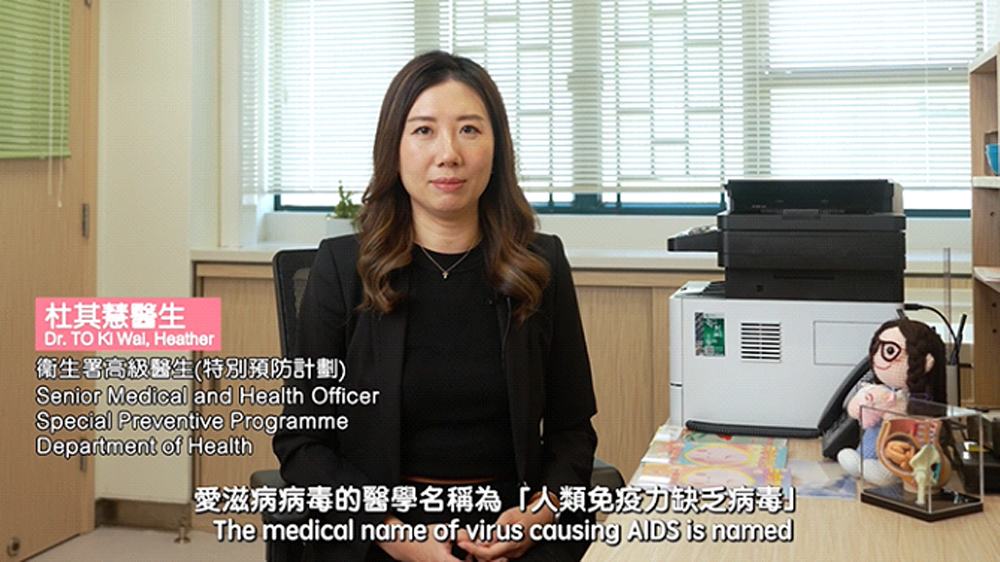
- The name of virus causing AIDS is called ‘Human Immunodeficiency Virus (HIV)’. It specifically attacks CD4 cells in the immune system, making the body become more susceptible to certain infections and cancers.
- HIV infection can be asymptomatic. Testing is the most effective diagnostic method to determine whether you are infected. Both blood test and rapid tests can accurately and effectively detect infection status. Anyone who has had sex but does not know his/her HIV status should consider getting tested for HIV at least once.
- Women living with HIV who are not yet receiving antiretroviral treatment may have the virus in their vaginal secretions, blood or breast milk. This might pose a risk of transmission to the baby during pregnancy or during breastfeeding. Once infected, the condition will require lifelong medication treatment.
- Doctors will closely monitor the treatment progress of the pregnant women and maintain close communication with obstetricians to determine the most appropriate delivery method.
- After delivery, mothers should continue to take antiretroviral treatment and attend regular follow up. At follow-up appointment, you can discuss with your healthcare provider about your family planning such that they can offer tailored advice to meet your needs.
- Breastfeeding should best be avoided.
- Babies are required to complete a full course of post-exposure prophylaxis (PEP) prescribed by the doctor. The paediatrician will also arrange subsequent testing and follow-up.
【What is HIV?】
- Cantonese dubbed with traditional Chinese and English subtitles
- Produced in 2026
- Duration: 1 minute
- Watch video: https://youtu.be/SEde2lvY5rE

Transcript
- The name of virus causing AIDS is called ‘Human Immunodeficiency Virus (HIV)’. It specifically attacks CD4 cells in the immune system, making the body become more susceptible to certain infections and cancers.
- HIV infection can be asymptomatic. Testing is the most effective diagnostic method to determine whether you are infected.
- If the infection is left untreated, HIV will gradually destroy CD4 cells in the body resulting in a weakened immune system which can lead to certain cancers and opportunistic infections, ultimately progressing to AIDS.
- While there is yet no cure for HIV infection, there are oral antiretroviral treatment available that can effectively inhibit the viral replication. With early diagnosis and effective treatment, people living with HIV can lead healthy lives with good quality.
【What is the relationship between HIV and pregnancy?】
- Cantonese dubbed with traditional Chinese and English subtitles
- Produced in 2026
- Duration: 1 minute and 15 seconds
- Watch video: https://youtu.be/wAc9nvWZhXs
Transcript
- Women living with HIV who are not yet receiving antiretroviral treatment may have the virus in their vaginal secretions, blood or breast milk. This might pose a risk of transmission to the baby during pregnancy or during breastfeeding. Once infected, the condition will require lifelong medication treatment.
- HIV infection can be asymptomatic. Testing is the most effective diagnostic method to determine whether you are infected.
- All pregnant women are offered with HIV antibody testing during antenatal checkups. For pregnant women who have negative result in HIV test during antenatal checkups, they should use condom consistently and properly every time during sex to protect their fetuses.
- While there is yet no cure for HIV infection, there are oral antiretroviral treatment available that can effectively inhibit the viral replication. With early diagnosis and effective treatment, people living with HIV can lead healthy lives with good quality.
- With treatment, women living with HIV can give birth to healthy babies.
【Prevention of mother-to-child transmission of syphilis - Full version】
- Cantonese dubbed with traditional Chinese and English subtitles
- Produced in 2026
- Duration: 3 minutes and 12 seconds
- Watch video: https://youtu.be/kbpS-IBE5aA

Transcript
- Syphilis is a sexually transmitted infection caused by Treponema Pallidum. Sexual contact is the main route of syphilis transmission. It includes vaginal, anal, or oral sex.
- Symptoms of syphilis infection include: skin ulcers (chancre), fever, rashes, or flu-like symptoms. Some patients may not show obvious signs and symptoms, therefore the most reliable way to know whether you are infected with syphilis is through blood testing.
- If a pregnant woman is infected with syphilis during pregnancy without receiving treatment, she may transmit syphilis to her fetus, leading to miscarriage, premature birth, fetal malformation. If syphilis is detected following with treatment in early stage of pregnancy, the risk of infection towards the fetus can be largely reduced.
- Doctors will prescribe penicillin (antibiotic) injections to the pregnant woman as treatment. Using penicillin during pregnancy is safe and effective and it does not affect the normal development of the fetus.
- After birth, depending on the mother’s treatment progress, her baby may need to undergo relevant physical examinations and blood tests to determine whether they are infected or need further treatment.
【General knowledge on prevention of mother-to-child transmission】
- Cantonese dubbed with traditional Chinese and English subtitles
- Produced in 2026
- Duration: 1 minute and 14 seconds
- Watch video: https://youtu.be/nX7mOYP3Ulo

Transcript
- Prenatal checks not only examine the physical condition of pregnant women but also involve blood tests to check for diseases that can be transmitted from mother to baby during pregnancy, including hepatitis B, syphilis, and HIV infections.
- For women who are planning to have children, by following their doctor's advice and receiving treatment, they can still become pregnant, give birth, and have healthy offspring.